
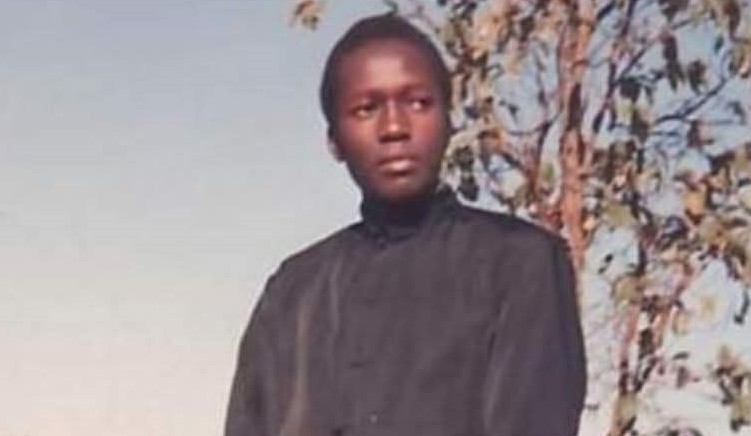
"Go therefore and make disciples of all nations..." — Matthew 28:19
Petero sat silently.
For years, he had faithfully followed Christ. He had preached the Gospel to neighbours, welcomed strangers into church, prayed with the broken, and watched many people surrender their lives to Jesus because of his witness.
Yet on that afternoon, thirteen church leaders sat before him with lowered eyes.
None could meet his gaze.
Finally, the chairman spoke.
"Petero, we appreciate your commitment to Christ and to this church. But because you have three wives, you cannot serve as a church elder. If you divorce your second and third wives and remain with your first wife, we can reconsider."
Silence filled the room.
Petero wanted to speak.
Instead, he stood, slowly walked to the door, paused for a moment, looked back, without saying anything, he gently closed it behind him.
No argument.
No anger.
Just another quiet departure.
How many African believers have closed church doors just as gently?
How many stories remain untold because the Church has been quicker to judge than to listen?
Petero's Story Before Christ
Petero was not rebelling against Scripture.
He was living faithfully according to the only world he had ever known.
Born among the Abakuria people, he was circumcised according to tradition, initiated into adulthood, married, raised children, and embraced every responsibility expected of a man in his community.
As the only son, his parents urged him to marry again—not for selfish ambition, but to preserve the family name and strengthen the clan.
He obeyed.
Years later, after more cattle came into the family through his sister's marriage, he was encouraged to take a third wife before cattle raiders depleted the family's wealth.
Again, he obeyed.
With three wives and twenty-one children, Petero became more than a family man.
He became an elder in the community.
In his community, leadership was earned by demonstrated responsibility. A man who could care for a large household was believed capable of caring for a village.
Then something extraordinary happened.
Petero met Jesus Christ.
His life was transformed.
His entire household embraced the Gospel.
The man who had once led people according to culture now began leading them to the Cross.
He did not become a polygamist after becoming a Christian.
He became a Christian after already living the life his culture had prepared him to live.
That distinction matters.
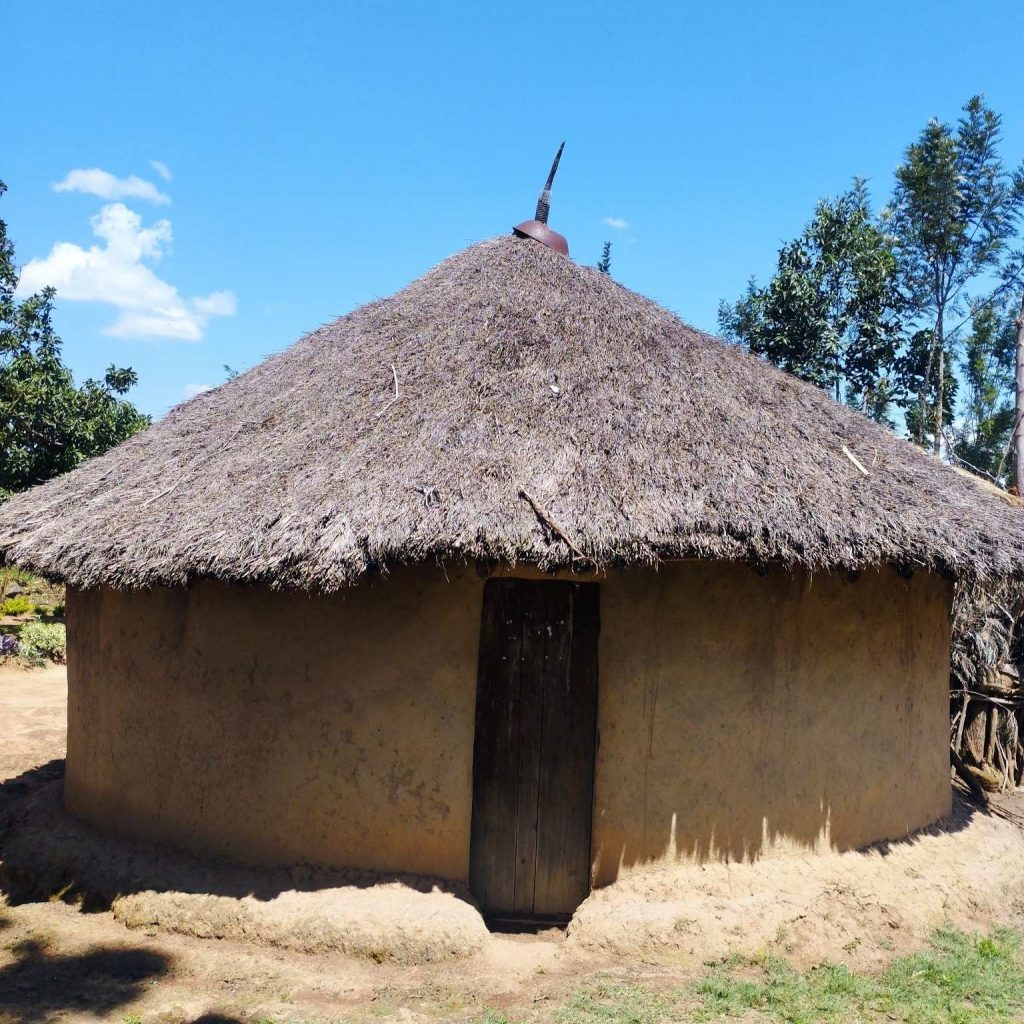
Abakuria traditional house within a homestead.
The African Dilemma
Across Africa, thousands of believers live in this tension.
They do not struggle because they reject Christ.
They struggle because Christ found them inside cultures that had already shaped their identities, responsibilities, marriages, and families.
The Gospel reached them after life had already happened.
What should a man do who comes to Christ after marrying multiple wives?
Should he abandon women he vowed to protect?
Should children lose a father because of decisions made before conversion?
Would sending wives away honour Christ—or create new injustice?
Can one sin be corrected by committing another?
These are not merely cultural questions.
They are profoundly theological ones.
Between Culture and the Cross
Too often, African culture is spoken of as though it were simply something to abandon upon conversion.
Yet every believer comes to Christ carrying a culture.
Western believers bring theirs.
Asian believers bring theirs.
Latin American believers bring theirs.
Africans do too.
The question has never been whether culture accompanies us to Christ.
The question is what Christ transforms—and how.
Not every cultural practice can stand before the Gospel.
Some must indeed die at the foot of the Cross.
Others must be purified.
Still others may beautifully express biblical truth.
The challenge is discerning the difference with wisdom, humility, and love.
A Call to Theologians
Perhaps Petero's story is not primarily about polygamy.
Perhaps it exposes something much deeper.
Has African Christianity sometimes inherited answers from other contexts before fully asking African questions?
Have we spent more time importing theology than developing a theology that faithfully engages African realities without compromising biblical truth?
The Gospel is eternal.
Its message never changes.
But every generation—and every culture—must wrestle honestly with how that unchanging Gospel transforms lives shaped by different histories.
Africa deserves that conversation.
Not a theology that lowers biblical standards.
Nor one that dismisses African realities.
But one that courageously holds Scripture in one hand and lived experience in the other, allowing neither to silence the other.
The Church's Calling
The Church must always uphold holiness.
Yet holiness must never be separated from compassion.
Jesus never lowered God's standards.
Neither did He turn wounded people away.
He listened.
He understood.
He redeemed.
Perhaps Petero's greatest question was never, "Can I become a church elder?"
Perhaps it was,
"Is there still room for me in the family of God?"
May our churches never answer that question carelessly.
May our theologians continue wrestling with these difficult questions.
May our pastors lead with both conviction and grace.
And may the Church in Africa continue discovering what it truly means to follow Christ—not by abandoning African identity, but by allowing every part of it to be transformed under the Lordship of Jesus Christ.
There are still many Peteros quietly closing church doors.
May we have the courage to hopefully open them again.
Is it possible to apply Open hearts, Open minds, Open doors?
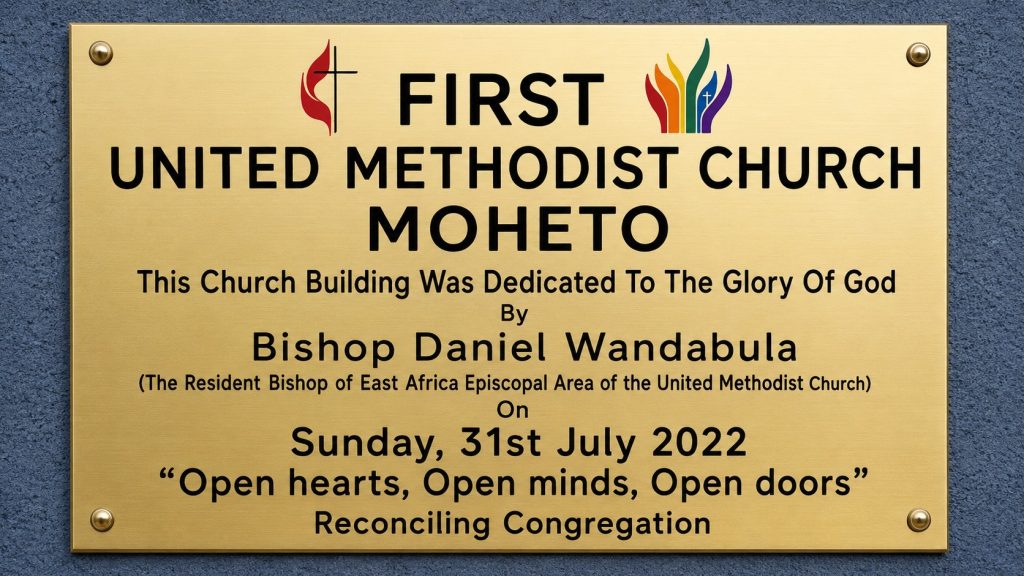
The dedicated plaque of the church in Moheto.
(George Chacha is a member of First United Methodist Church Moheto and an elder
among the Abakuria community where First United Methodist Church Moheto is located)